Dietary advice: Including eggs in a well-balanced diet helps strengthen the
immune system and enhance brain function. Here's why they ought to be a part of
your regular diet.
 |
| Boiled Egg |
Eggs are a nutrient-dense food that are rich in vital vitamins, minerals, and high-quality protein. They support the growth and repair of muscles by supplying all nine required amino acids. Eggs support healthy eyes, cognitive function, and a strong immune system since they are high in antioxidants like lutein and zeaxanthin, as well as vitamins B12, D, and A. Eggs' high protein content helps with weight management and muscle maintenance, while their choline improves cognitive function and the integrity of cell membranes. Eggs also help maintain healthy skin and hair. They are a great complement to a balanced diet because of their adaptability and nutritional value. Niharica Rao, a nutritionist from Cosmos Global, lists the ten benefits of including eggs in your regular diet. (Image: Canva)
 |
| Boiled Egg and a human arm |
High-quality protein: All nine of the essential amino acids needed by the body are present in eggs, making them a complete protein source. They are therefore perfect for promoting muscle growth, healing, and general health. There are roughly 6 grammes of protein in a big egg. (Image: Canva)
 |
| Boiled Egg and Blood Cells |
Nutrient-dense: Eggs are a great source of vitamins, minerals, and protein. Red blood cell production and nerve function depend on vitamin B12. Vitamin D improves the absorption of calcium, which benefits bone health. As an antioxidant, selenium guards against cellular damage. The integrity of cell membranes and brain function depends on choline. (Image: Canva)
 |
| Boiled Egg and a human eye |
Promotes eye health: The carotenoids lutein and zeaxanthin, which are present in eggs, aid in the filtering of hazardous high-energy light waves. These antioxidants lower the incidence of cataract development and age-related macular degeneration (AMD) by shielding the retina from harm. (Image: Canva)
 |
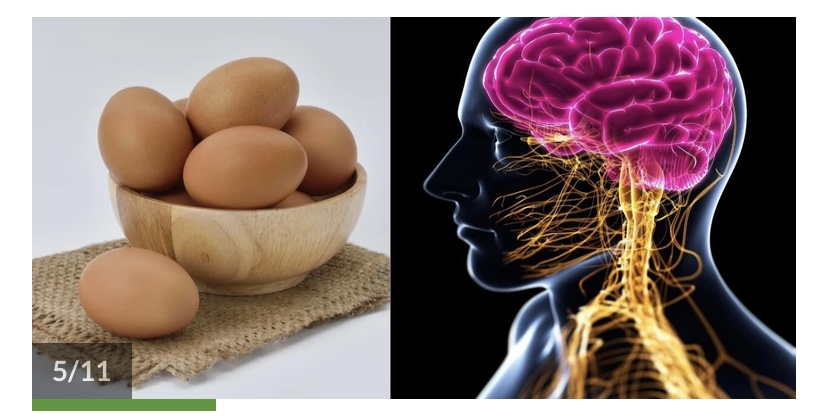
| Eggs and human brain nerves |
Encourages brain health: Acetylcholine, a neurotransmitter important in memory and learning, is synthesised from choline, which is present in large quantities in eggs. Sufficient consumption of choline is associated with enhanced cognitive performance and may promote baby brain development. (Image:
 |
| Eggs and human brain nerves |
Boosts immune system performance: The range of nutrients found in eggs helps to enhance the immune system. As barriers against infection, vitamin A supports the health of mucous membranes and skin. The immune response as a whole and the activity of immune cells depend on zinc. (Image: Canva)
 |
| Eggs and Human body |
Helps with weight management: The satiety that comes from the protein in eggs makes you feel fuller for longer. This may result in consuming less calories overall. Eggs may aid in improving weight management and aiding in weight loss, according to studies. (Image: Canva)
 |
| Eggs and a woman lower body |
Enhances bone health: The vitamin D found in eggs aids in the regulation of blood calcium levels and the promotion of bone mineralisation. Ingesting enough vitamin D is necessary to keep bone density high and lower the incidence of osteoporosis. (Image: Canva
 |
| Eggs and leg |
Enhances skin health: Eggs' vitamin A promotes the growth and repair of skin cells, which aids in the maintenance of healthy skin. As an antioxidant, vitamin E promotes general skin health by shielding skin cells from oxidative damage. (Image: Canva)
 |
| Eggs and a woman's face |
Enhances muscle mass: Building and maintaining muscle mass is made possible by the high-quality protein found in eggs, which promotes muscle synthesis and repair. Strength trainers and athletes should pay special attention to this. (Image: Canva)
 |
| Eggs and a human body |
Encourages healthy hair: It is well known that the B vitamin biotin, which is present in eggs, strengthens hair and stops hair loss. Eggs include protein and other nutrients that encourage hair growth and lessen brittleness. (Image: Canva)
Share this post:




0 Comments